Skip to content
Frost & Fender
Roundup

The best winter wax, sealant and underbody protection

Twenty minutes of sealant protects a surface you can wash. The four-figure damage is underneath, where nobody looks.

By Scooter M.Published September 1, 2026

Heads up: the buy links on this page are affiliate links. If you buy through one, we earn a commission at no extra cost to you. It does not change what we recommend or the order we rank things in - here is how we keep those separate.

The shortlist

Ranked, with the prices

Ranked on published manufacturer specifications and, where the numbers exist, the arithmetic on what each option costs and what it saves. Tap any row for the full write-up, including who should skip it.

#ProductBest forScorePrice
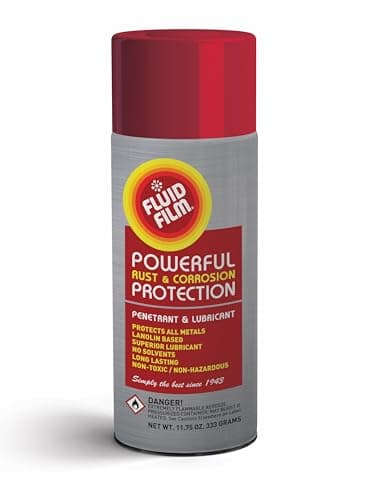
01The underside of a vehicle, the area undercoating protects - a stand-in for the Fluid Film Rust and Corrosion Protection, not a photograph of this modelFluid Film Rust and Corrosion ProtectionAnnual DIY underbody protection you reapply rather than seal inBest underbody protection8.7Check price on Amazon
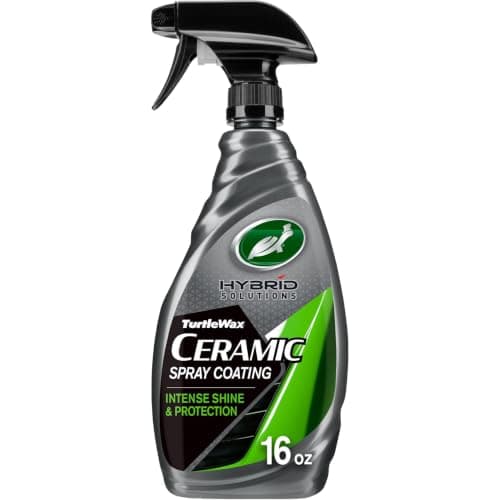
02Paint sealant being applied to a car panel - a stand-in for the Turtle Wax Hybrid Solutions Ceramic Spray Coating, not a photograph of this modelTurtle Wax Hybrid Solutions Ceramic Spray CoatingPre-winter paint protection with no polishing skill requiredBest quick sealant8.3Check price on Amazon
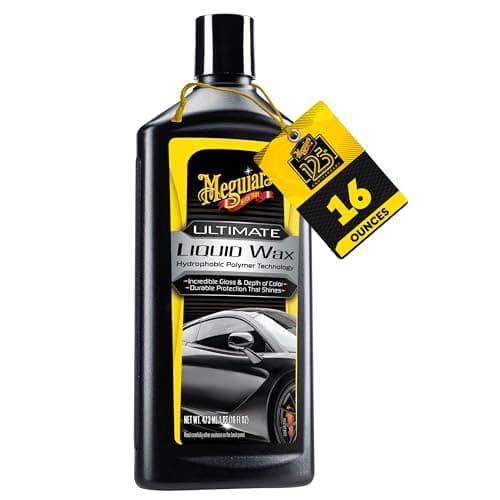
03Paint sealant being applied to a car panel - a stand-in for the Meguiar's Ultimate Liquid Wax, not a photograph of this modelMeguiar's Ultimate Liquid WaxA proper October paint-protection sessionBest proper wax job8.1Check price on Amazon
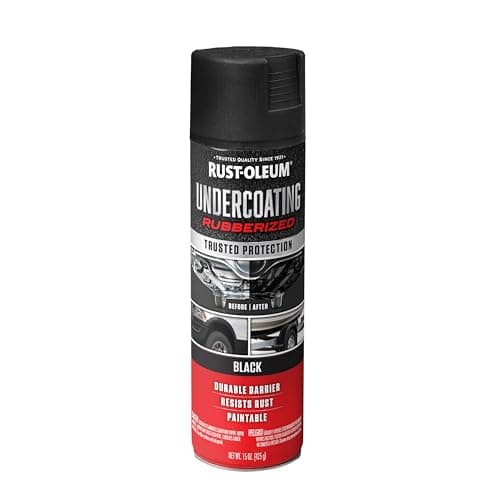
04The underside of a vehicle, the area undercoating protects - a stand-in for the Rust-Oleum Automotive Rubberized Undercoating, not a photograph of this modelRust-Oleum Automotive Rubberized UndercoatingWheel arches and sound deadening on clean, prepared metalBest for wheel arches6.8Check price on Amazon

Scores are ours and editorial. They are never published as review or rating markup, because we have not tested these products - see how we pick.

Why an underbody product wins a wax roundup

Because salt attacks a car in two places, and the money is not on the paint.

On the paint, salt is a cosmetic nuisance. It dulls the finish and collects in crevices, and a sealant plus a mid-winter wash handles it for about twenty dollars and half an hour. Worth doing, not where the risk is.

Underneath, salt solution sits in box sections, seam welds, subframe mounts and the inside faces of rocker panels — places that never dry, never get washed, and are never inspected until something structural is soft. That is the four-figure end of this problem, and it is invisible for years.

Where the money actually is

Paint: a sealant is $15 to $28 and takes twenty minutes. Worst case if you skip it is a duller finish and more effort in the spring wash.

Underbody: three or four cans of a creeping corrosion preventive is about $60 a year. Worst case if you skip it, over years, is structural rust repair — cutting out and welding in rockers, subframe mounts or floor pan sections. Days of body-shop labor.

Same buyer, same winter, two orders of magnitude between the downside risks.

The two families of underbody product, and how each fails

This is the part worth understanding before you spend anything, because the popular choice has a failure mode that makes it worse than nothing.

Hard rubberized coatings compared with non-drying creeping products
Hard rubberized coatingNon-drying lanolin-based
Cures toA tough flexible filmNothing - it stays soft
Reaches into seamsNoYes - it creeps
Sound deadeningGoodNone
Failure modeChips, then water sits underneath against bare steel, hiddenSimply wears off and needs reapplying
ReapplicationRarely, in principleAnnually, in practice
MessClean once dryStays greasy and collects road dirt
Best forWheel arches on clean prepared metalSeams, box sections, the whole underbody

The hard coating’s failure is the important one. A chipped film holds water against bare steel where you cannot see it and cannot dry it, and the coating that was supposed to protect the metal is now keeping it wet. Sealing rust in is the classic undercoating mistake, and it is worse than doing nothing at all.

The creeping product’s failure is honest: it wears off, and if you skip a year you have no protection. That is a maintenance commitment rather than a hidden trap.

Sealant: what twenty minutes buys

A spray-on sealant gives salt a slicker surface to fail to stick to, and it makes the mid-winter wash — the thing that actually removes salt — faster and more effective.

Two honest caveats. Published durability figures are marketing numbers measured under conditions nobody discloses, so treat “12 months” as an upper bound; a reapplication in January is worth more than which bottle you chose. And the surface has to be genuinely clean first, which is the step people skip — sealant over bonded road film seals the film in.

Skip this

Skip a paste wax applied in the cold

Traditional paste wax needs a surface temperature within a range the manufacturer specifies, and it is difficult to apply and remove evenly in the cold. Applied in an unheated garage in November it hazes, streaks, and is miserable to buff off.

Spray sealants are far more forgiving of cool application temperatures, which is why they are the practical choice for a pre-winter job. Save the paste wax for a warm afternoon in spring.

The free thing that beats all of it

Wash the underbody. On a day above freezing, at a wash with an underbody spray, for a couple of dollars.

That single act removes more salt from the places that matter than any product on this page, and everything else here is either making that wash more effective or protecting the parts a wash cannot reach. The order to do it all in is here.

What we would actually do, in October

  1. Wash the car properly, including the underbody.
  2. Spray sealant on the paint. Twenty minutes, no machine, no skill barrier.
  3. Get the car in the air and apply a creeping corrosion preventive to the underbody, seams and inside the rockers if you have access points. This is the part that matters and the part people skip because it needs ramps.
  4. Mid-winter, on a mild day: underbody wash, and reapply the sealant if the water has stopped beading.
The write-ups

Every pick, in full

01 / Best underbody protectionThe underside of a vehicle, the area undercoating protects - a stand-in for the Fluid Film Rust and Corrosion Protection, not a photograph of this model

Fluid Film

8.7 / 10

Roughly $15-$25 an aerosol can

Fluid Film Rust and Corrosion Protection

A lanolin-based, non-drying coating. Non-drying is the whole argument: it stays soft, so it creeps into seams and does not crack and trap moisture underneath the way a hard rubberized coating can once it chips.

Check price on Amazon

#ad We hold no verified live price for this product, so we show none. How this site is funded.

Published specifications for the Fluid Film Rust and Corrosion Protection, with the source of each
SpecificationPublished valueWhere it is published
BaseLanolin-based corrosion preventiveFluid Film product range
CureNon-drying, stays softFluid Film product range
FormsAerosol, gallon and bulkFluid Film product range
Reapplication intervalPublished guidance is annual in salted climates; check the current data sheetFluid Film product range

The arithmetic

About $60 of product a year against four-figure rust repair.

Three or four aerosol cans cover a passenger car underbody. Structural rust repair on rockers, subframe mounts or a floor pan is body-shop labor measured in days. The comparison is not close, and the honest caveat is that most of the cost is the time and the ramps, not the cans.

What it does well

  • Creeps into seams and box sections where rust actually starts
  • Never cracks, so it cannot trap water under a broken film
  • Cheap enough per year to actually keep doing

What it does not

  • It stays greasy, collects road dirt and transfers to anything that touches it
  • Must be reapplied annually - skip a year and you have no protection
  • Doing it properly needs the car in the air, which is the real cost

Skip this one if

You want a permanent, one-time coating. This is deliberately impermanent and must be redone each year.

How it scores, by criterion

Corrosion protection9.0
Seam penetration9.5
Cleanliness4.5
DIY practicality7.0
Price9.0
02 / Best quick sealantPaint sealant being applied to a car panel - a stand-in for the Turtle Wax Hybrid Solutions Ceramic Spray Coating, not a photograph of this model

Turtle Wax

8.3 / 10

Roughly $15-$25

Turtle Wax Hybrid Solutions Ceramic Spray Coating

A spray-on sealant that goes on in twenty minutes and gives salt a slicker surface to fail to stick to. The honest claim is durability and ease, not miracle protection: this is a sacrificial layer, and reapplying it mid-winter matters more than which bottle you bought.

Check price on Amazon

#ad We hold no verified live price for this product, so we show none. How this site is funded.

Published specifications for the Turtle Wax Hybrid Solutions Ceramic Spray Coating, with the source of each
SpecificationPublished valueWhere it is published
FormSpray-on ceramic-polymer coatingTurtle Wax Hybrid Solutions range
ApplicationSpray and wipe, no machine requiredTurtle Wax Hybrid Solutions range
Stated durabilityCheck the bottle for the current published figureTurtle Wax Hybrid Solutions range

What it does well

  • Whole car done in about twenty minutes
  • No machine, no pads, no skill barrier
  • Slick surface makes the mid-winter wash that actually removes salt much faster

What it does not

  • Durability claims are marketing figures, measured under conditions nobody publishes
  • Needs a genuinely clean surface first, which is the part people skip
  • Does nothing for the underbody, which is where salt does the expensive damage

Skip this one if

Your clear coat is already failing. A sealant over damaged paint is a coat of gloss on a problem.

How it scores, by criterion

Ease of application9.5
Salt shedding8.0
Durability7.0
Value9.0
Published data5.0
03 / Best proper wax jobPaint sealant being applied to a car panel - a stand-in for the Meguiar's Ultimate Liquid Wax, not a photograph of this model

Meguiar's

8.1 / 10

Roughly $18-$28

Meguiar's Ultimate Liquid Wax

A synthetic liquid wax with a long track record. It takes longer to apply than a spray coating and rewards care; if you are the kind of person who will do the job properly in October, the finish and the durability are both a step up.

Check price on Amazon

#ad We hold no verified live price for this product, so we show none. How this site is funded.

Published specifications for the Meguiar's Ultimate Liquid Wax, with the source of each
SpecificationPublished valueWhere it is published
FormSynthetic polymer liquid waxMeguiar's published product information
ApplicationApply by hand or machine, then removeMeguiar's published product information
Stated durabilityCheck the current bottle for the published figureMeguiar's published product information

What it does well

  • Long-established formula with wide availability
  • Better gloss and depth than a quick spray coating
  • Forgiving of cool application temperatures compared with paste wax

What it does not

  • Slower to apply, and a rushed job is worse than a spray done properly
  • Still a sacrificial layer that winter strips away
  • Nothing it does protects the underbody

Skip this one if

You want this done in twenty minutes. Use a spray sealant instead.

How it scores, by criterion

Ease of application7.0
Salt shedding8.0
Durability8.0
Finish9.0
Value8.0
04 / Best for wheel archesThe underside of a vehicle, the area undercoating protects - a stand-in for the Rust-Oleum Automotive Rubberized Undercoating, not a photograph of this model

Rust-Oleum

6.8 / 10

Roughly $8-$14 a can

Rust-Oleum Automotive Rubberized Undercoating

A hard rubberized coating that also deadens road noise. The failure mode is worth understanding before you buy: once a hard film chips, water sits under it against bare steel, and rust spreads out of sight.

Check price on Amazon

#ad We hold no verified live price for this product, so we show none. How this site is funded.

Published specifications for the Rust-Oleum Automotive Rubberized Undercoating, with the source of each
SpecificationPublished valueWhere it is published
FormRubberized aerosol undercoatingRust-Oleum published product information
CureDries to a hard flexible filmRust-Oleum published product information
Secondary functionSound and vibration deadeningRust-Oleum published product information

What it does well

  • Genuinely reduces road roar in wheel arches
  • Cheap and available everywhere
  • Tough surface that resists stone chipping

What it does not

  • Chips trap water against bare steel and hide the resulting rust
  • Demands proper surface prep to work at all
  • Not a creeping product, so it never reaches inside seams

Skip this one if

The metal underneath is already surface-rusted. Sealing rust in is the classic undercoating mistake.

How it scores, by criterion

Corrosion protection6.0
Seam penetration2.5
Sound deadening9.0
DIY practicality8.0
Price9.5

How this was ranked

Every site in this category says it tested twenty of these. We have not tested any, and we say so. What we did instead: built the candidate set from what Amazon actually stocks, compiled the published specifications from each manufacturer’s own pages, did the arithmetic on running cost and on what the thing prevents, and read owner reviews for failure patterns rather than star averages. Every number on this page has a link to where it was published, so you can check the work.

Units we claim to have tested
0
Sponsored placements
0
Free products accepted
0

The full method, including what we refuse to claim

Questions people actually ask

Frequently asked

Does wax protect a car from road salt?

It helps on the paint: a sealed surface gives salt less to cling to and makes washing more effective. It does nothing at all for the underbody, which is where salt causes the expensive damage. Treat sealant as one half of the job.

When should I wax my car for winter?

Before the salt starts, which in most northern regions means October. You want a clean, dry, reasonably warm surface, and that gets harder every week you delay. A second application mid-winter on a mild day is worth more than choosing a longer-lasting product.

Is undercoating worth it?

In a salted climate, yes, with an important caveat: a hard rubberized coating that chips will trap water against bare steel and hide the resulting rust. A non-drying creeping product that has to be reapplied annually is the safer choice, and the annual commitment is real rather than a footnote. DIY versus a shop is here.

Can you wax a car in cold weather?

Spray sealants tolerate cool temperatures reasonably well. Paste waxes generally do not — they haze, streak and are unpleasant to remove below the manufacturer’s stated range. Check the temperature guidance on the product you are using, and prefer a spray if it is cold.

How often should you wash a car in winter?

Whenever the temperature allows, and always with an underbody rinse. Every couple of weeks is a good target in a heavily salted area. A wash on a mild day removes salt from places you cannot reach any other way, and it is the highest-value thing in this whole category.

Sources

Read next