The order of operations that actually saves you time
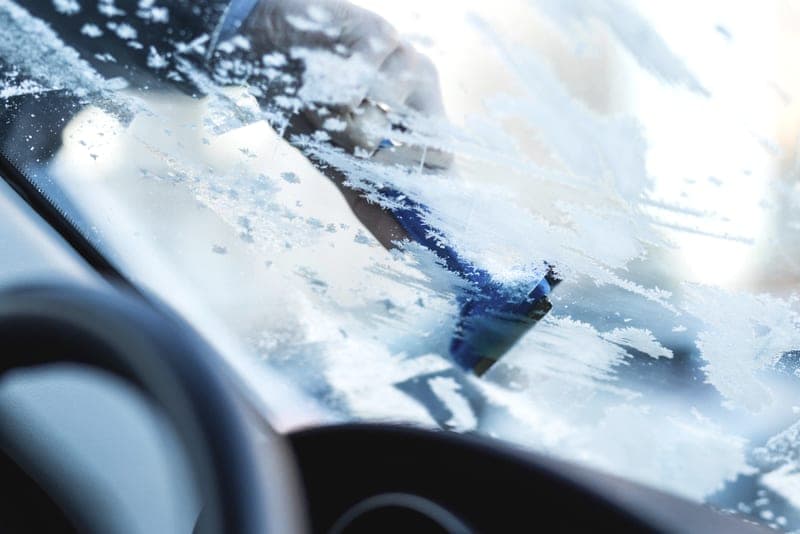
Prevention beats removal, and it is not close. A windshield cover fitted the night before takes twenty seconds to pull off in the morning. Clearing the same windshield with a scraper takes three to five minutes, plus idle time waiting for the defroster. Over a forty-frost winter that is roughly two and a half hours of standing in the cold that you simply do not do. The cover pays for itself in the first week, measured in the only currency that matters here.
The catch is retention. A cover that lifts off in wind is worse than no cover, because you now have a wet sheet on the driveway and a frozen windshield. The mechanism separates the products: door-flap anchoring (the cover’s edges are trapped inside the closed doors) holds in weather that pulls strap-only covers loose, and magnetic retention should be treated with suspicion because many modern hoods and roofs are aluminum, which magnets do not grip.
Why brush choice is a paint decision, not a snow decision
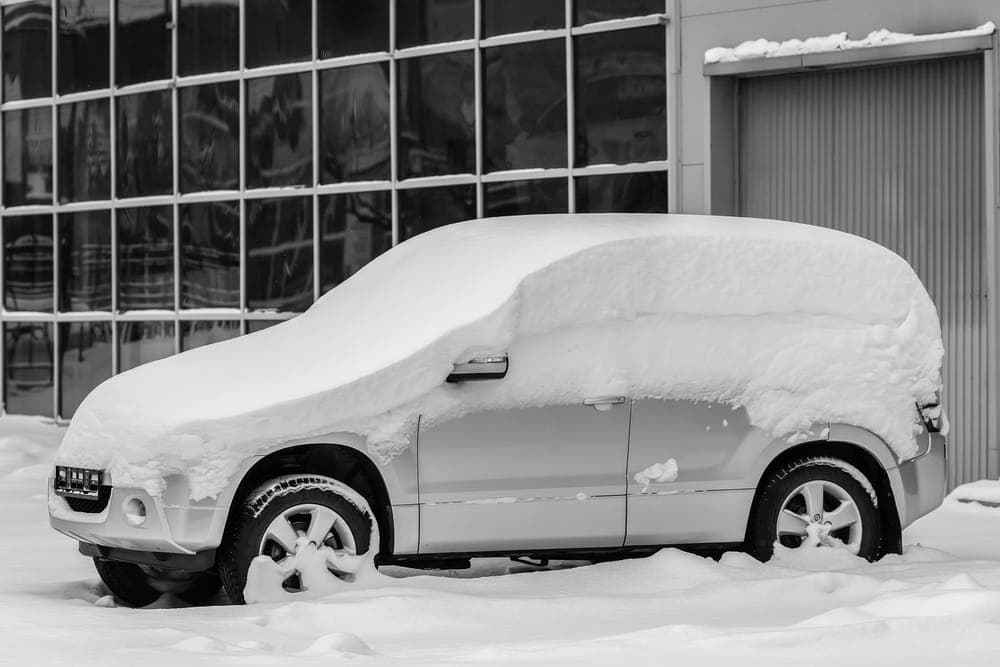
Any brush will move snow. The difference between products is what the brush does to the paint underneath the snow, and that comes down to the head material and the pressure you apply.
Loose, fresh snow is harmless. The problem is what is mixed into it — road grit, salt crystals, sand from the highway. A stiff bristle head pressed down hard drags those particles across the clear coat. That is the mechanism behind the fine circular scratching people notice in spring sunlight and blame on the car wash. A closed-cell foam head does not hold grit against the surface the same way, which is why every serious brush in this category has moved to foam.
The honest caveat: foam is for snow, not ice. Levering at a frozen patch with a foam head tears the foam and does not shift the ice. Use the scraper end on the glass, and never use a scraper anywhere except glass.
De-icer is a tool, not a strategy
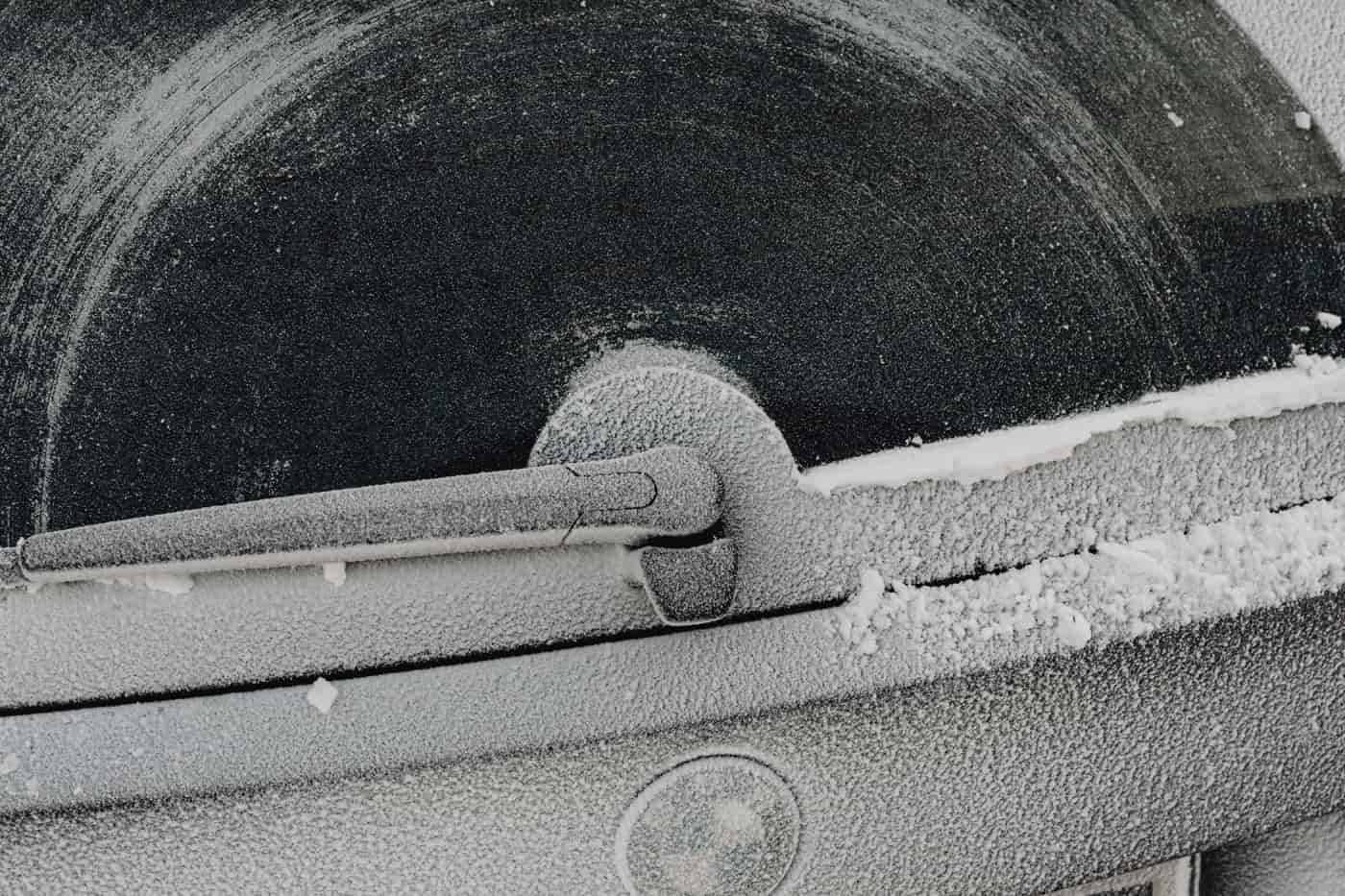
Aerosol de-icer melts a thin glaze quickly and, more usefully, frees wiper blades that have frozen to the glass — something a scraper physically cannot do without damaging the blade. That is a genuinely good reason to keep a can in the door pocket.
What it is not is a daily method. A can does a handful of heavy mornings, so the cost per use is real, and on a quarter-inch of glaze it is slow as well as expensive. If you are reaching for de-icer every morning, the answer is a cover the night before.
The related product almost nobody buys deliberately is winter-rated washer fluid. Summer fluid is mostly water and freezes solid in the reservoir and lines. Once it does, you cannot clear the salt film that builds on the glass, and driving into low winter sun through a smeared windshield is the single most dangerous thing in this whole category. It costs about six dollars. We compare the two directly here.
Wipers: the architecture matters more than the brand
Conventional framed blades have an open metal skeleton that snow packs into. Once packed, the frame cannot flex, the blade lifts off the glass, and you get the streaking and chatter that everyone associates with winter. Beam blades have no exposed frame, which is why they are the sensible default for winter even when they are not marketed as winter blades.
The unglamorous truth underneath the whole wiper category: most winter wiper complaints are age complaints. A fresh cheap blade outperforms a worn expensive one, every time. If yours are two years old, replacing them with anything is the upgrade.