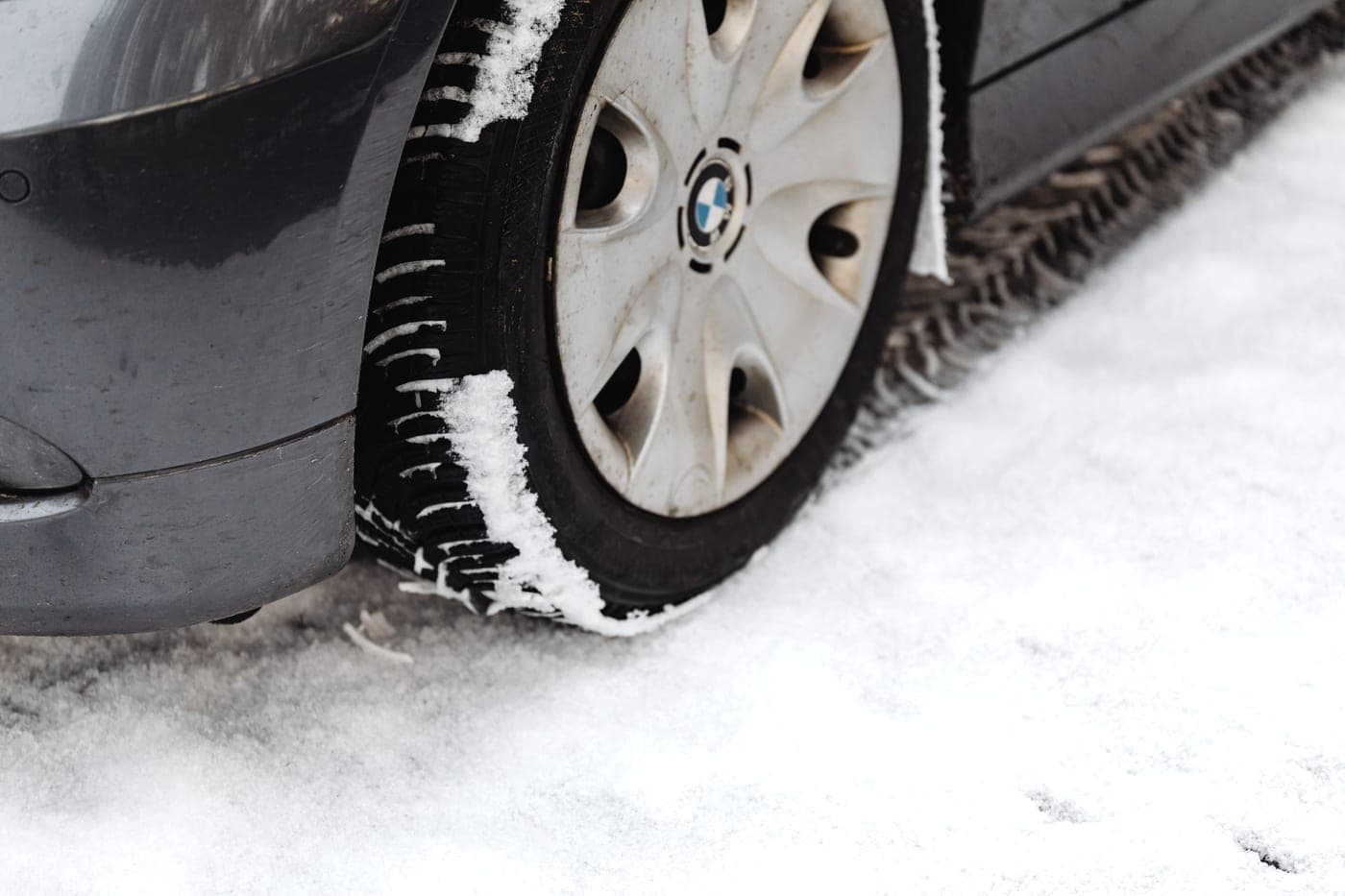
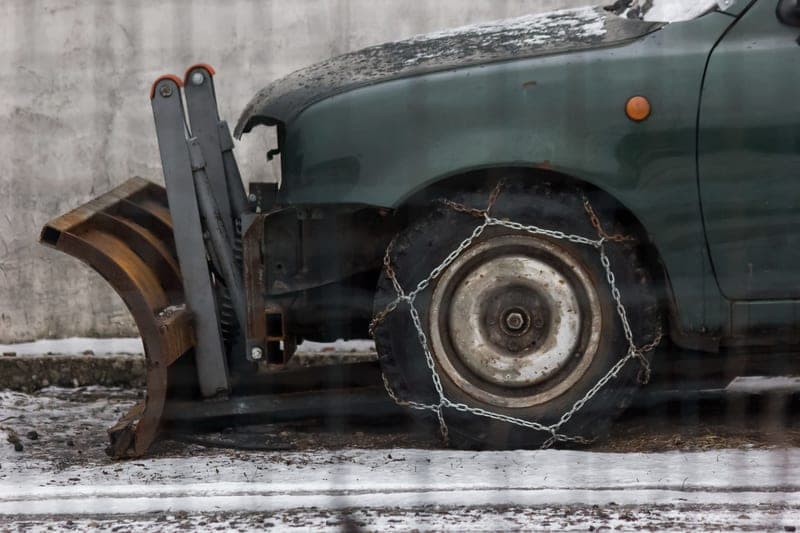
Three devices, three different jobs
Link chains are steel links across the tread. They bite hardest in deep, rutted snow and on ice, they last longest, and they need the most clearance. If your vehicle has room for them and you drive real mountain snow, they are the strongest option.
Cable chains replace the links with steel cable in a low-profile pattern. They need substantially less clearance, which is why they fit vehicles that link chains do not. They grip less in deep snow and wear faster on bare pavement. For most drivers on most roads, this is the correct compromise.
Textile snow socks are a fabric cover that pulls over the tire. They need essentially no clearance, they fit in about a minute a wheel with cold hands, and they are accepted in some places where chains are required. They also wear very quickly on bare pavement — they are for a snow section, not a journey. If you have ever tried to fit chains in the dark at the side of a road, the fitting-time difference is not a small consideration. The direct comparison is here.
And a fourth thing that is not a traction device at all: recovery boards. Chains help you drive on snow. Boards help when you are already stuck — plowed in at the end of a driveway, or wheel-spinning in a parking space. Those are different problems and people buy the wrong one for their situation constantly.
Do you actually need any of this?
An honest answer for a lot of readers is no. If you live somewhere that gets a handful of snow days a year, on plowed roads, in a car with decent all-season tires, chains will live in your trunk unused and unpracticed — and an unpracticed set of chains at 9pm in a blizzard is not much use to anyone.
Chains earn their place when you have a specific, foreseeable requirement: a mountain pass with chain controls, a steep unplowed driveway, a rural road that does not see a plow for two days. If you cannot name the situation you would use them in, the money is better spent on what you keep in the trunk instead.
Winter tires are the genuinely correct answer to winter traction, and they are also a $600-plus considered purchase that sits outside what this site is for. We mention them as context, not as a recommendation-in-disguise.
Fit them once, in daylight, before you need them
This is the single most useful thing in this section and it costs nothing. Fitting chains for the first time in a storm, in the dark, on a road shoulder, with cold hands, from a folded instruction sheet, is how people give up and drive on them badly fitted — which is how chains damage cars.
Fit them in the driveway on a dry afternoon in October. Find out then whether the tensioners are obvious, whether you can reach behind the wheel, and whether they actually fit. Then fold them back into the bag knowing you can do it.
The trunk kit, honestly assessed
Pre-packed roadside kits are mostly filler. A cheap kit is a nylon bag containing a small first-aid pouch, thin gloves and a set of jumper cables you would not want to rely on. What actually matters in winter is a shorter list, and you probably own half of it: a way to start the car, a way to keep warm if you cannot, a way to be seen, a way to dig, and a charged phone. The checklist is here, with what to buy and what you already have.