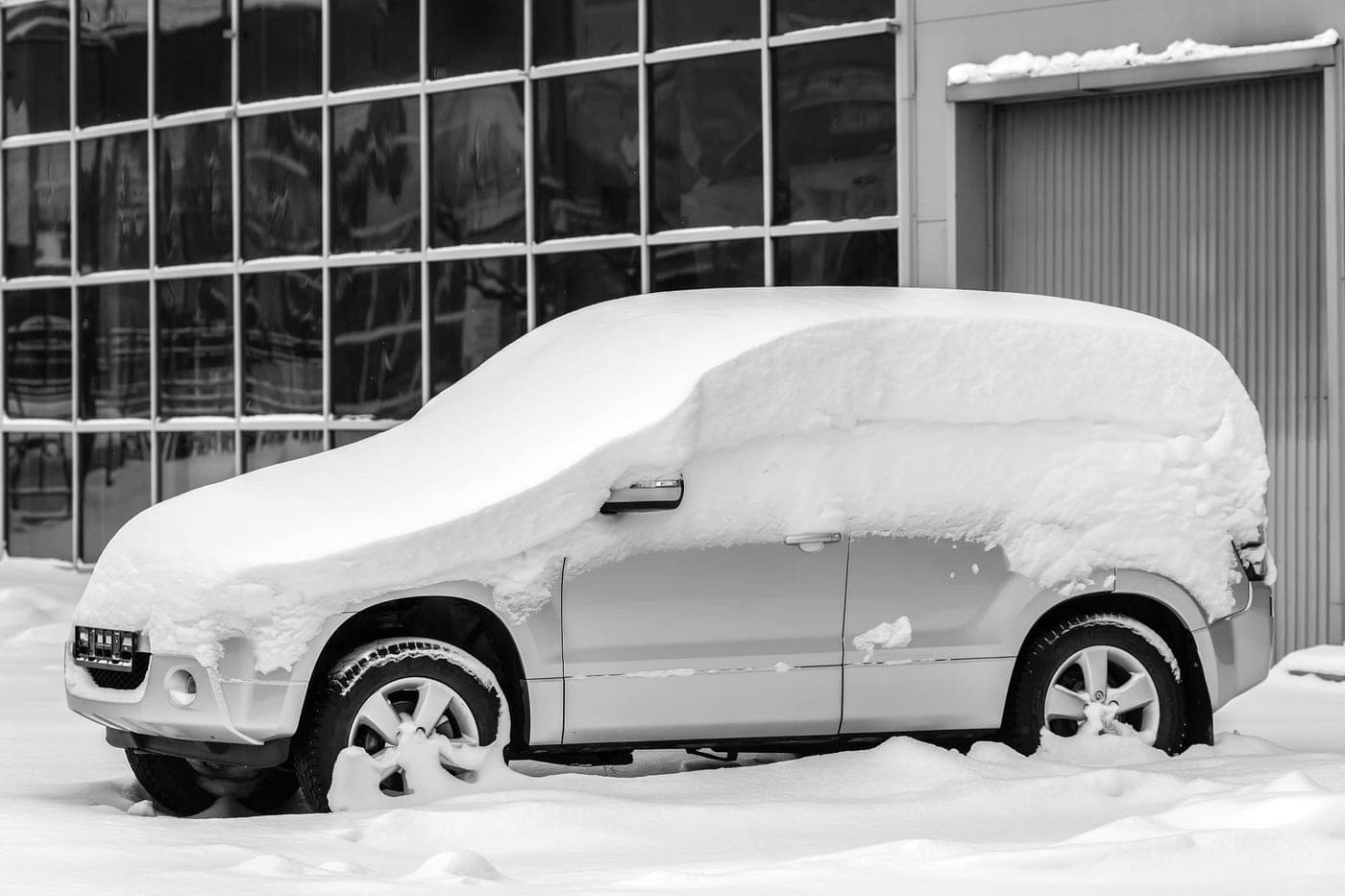
When a car cover helps, and when it does damage
A cover is a genuinely good idea for a stored car: something parked up for the season, ideally under a roof, where the cover keeps dust and grit off paint that is not being washed. Almost nobody argues with that.
For a daily driver parked outside, the picture is more complicated, in two ways.
The first is practical. Fitting and removing a full cover in the dark, in the cold, twice a day, is a chore that most people abandon by early December. A cover in the trunk protects nothing.
The second is the damage mechanism, and it is worth understanding before you buy. A cover only harms paint when it moves against it with grit trapped between. Wind moves a loose cover; grit gets under it every time it is fitted to a dirty car. That is why the inner face material is the specification that matters and the outer one is mostly weatherproofing. And it is why putting a cover on a wet, salty car is the worst thing you can do with one: you have sealed moisture and abrasive against the finish. The full argument, both ways, is here.
Sealant: what it does and what it does not
A modern spray sealant gives salt a slicker surface to fail to stick to, and makes the mid-winter wash — the thing that actually removes salt — faster and more effective. Applied in October, it is twenty minutes well spent.
Two honest caveats. Published durability figures are marketing numbers, measured under conditions nobody discloses, so treat “12 months” as an upper bound rather than a plan; a reapplication in January is worth more than which bottle you chose. And a sealant does nothing whatsoever for the underbody. It protects the part of the car you can see, which is not the part that rusts expensively.
Undercoating, and the trap inside it
There are two families of underbody product and they fail in opposite ways.
Hard rubberized coatings dry to a tough film. They deaden road noise well and resist stone chips. Their failure mode is the important part: once the film chips — and it will — water gets underneath and sits against bare steel, where it is invisible and where the coating actually holds it in place. Sealing rust in is the classic undercoating mistake, and it is worse than doing nothing.
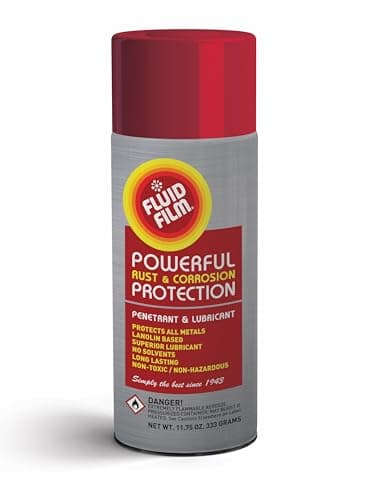
Non-drying lanolin-based coatings stay soft. They creep into seams and box sections, they cannot crack, and they cannot trap water under a broken film. The trade is that they stay greasy, collect road dirt, and must be reapplied every year — skip a year and you have no protection at all.
For a salted climate, the creeping product is the better protection and the worse experience, and the annual reapplication is a real commitment rather than a footnote. DIY versus a shop, priced, is here.
The free thing that beats all of it
Wash the underbody. That is it. A mid-winter wash with an underbody spray, on a day above freezing, removes more salt from the places that matter than any product on this page. Most automatic washes offer an underbody rinse for a couple of dollars, and it is the single highest-value thing in this entire category.
Everything else here is about making that wash more effective, or about protecting the parts of the car a wash cannot reach. The order to do it in is here.