Skip to content
Frost & Fender
Floor Mats

Keeping salt out of the carpet

A $25 mat and a $150 liner solve the same problem to different degrees. Here is exactly where the difference is, and when it stops being worth paying for.

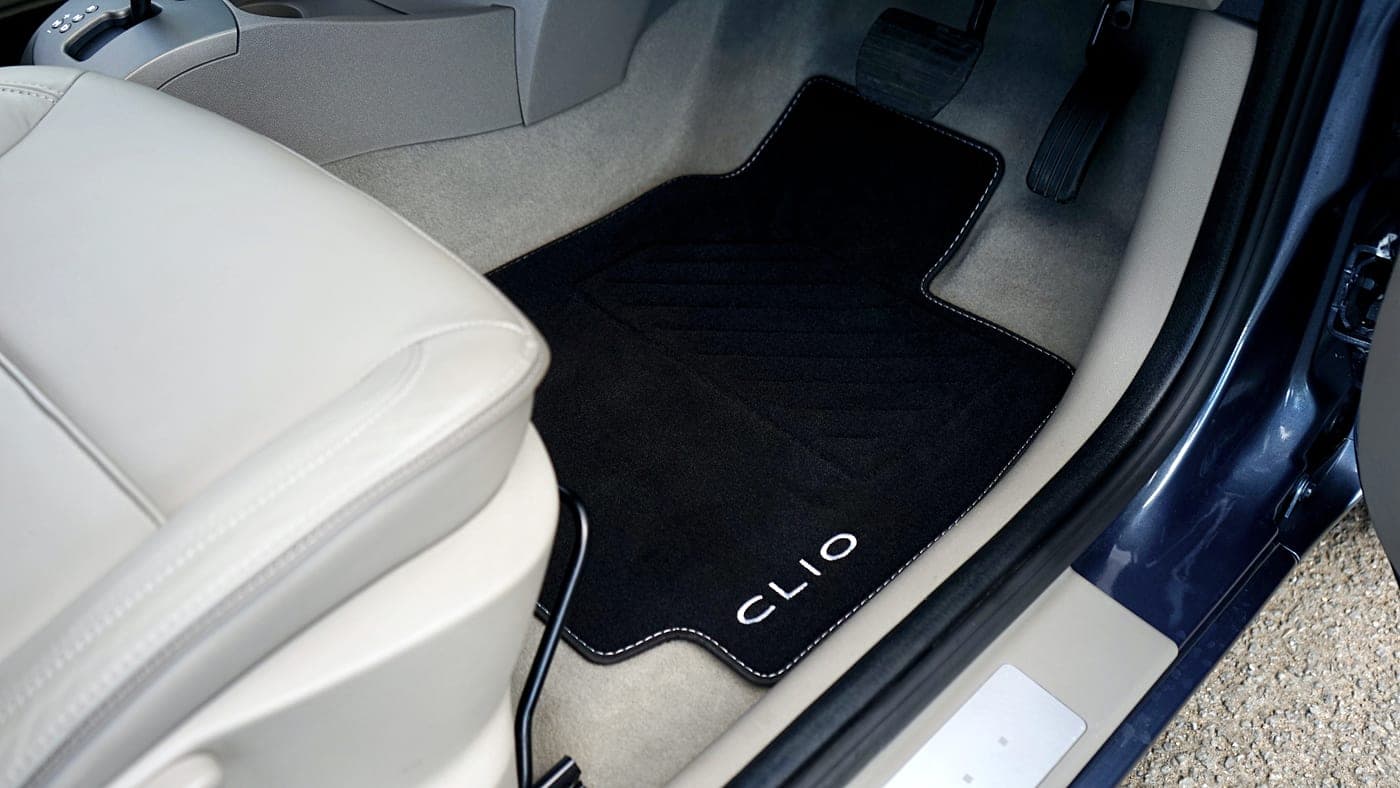
A car footwell with a mat covering the carpet

$25the cheapest set that genuinely keeps salt off the carpet

The premise

The reason to buy an all-weather mat is not that wet carpet is unpleasant, though it is. It is that footwell carpet has closed-cell padding under it, and once salt solution soaks through, that padding holds moisture against the floor pan for months. Floor-pan corrosion on cars that look immaculate from the outside very often started in the footwell, under a carpet nobody lifted.

That makes this an unusually clear version of the trade this whole site is about: a $25 to $150 purchase against sheet-metal repair that is body-shop work in the four figures. What it does not settle is how much to spend, because the products range across a six-fold price spread and the marketing is unhelpful about what the extra money buys.

It buys one thing, mostly: walls. Everything else — fit quality, material, channel depth — is a matter of degree. Walls are a matter of kind.

If you buy one thing
A car footwell with a rubber all-weather mat in place - a stand-in for the WeatherTech All-Weather Floor Mats, not a photograph of this model

WeatherTech · Roughly $60-$100 a row

WeatherTech All-Weather Floor Mats

It sits in the sensible middle of the category: model-specific shapes and deep channeling that holds a genuine amount of meltwater, at roughly half the price of the walled liner from the same maker. For most people, in most winters, the walls of a full liner are protection against a volume of slush they never actually track in.

Skip it if: You track slush in by the bucket. A flat mat overflows at the edges where a walled liner does not.

Check price on Amazon

#ad We hold no verified live price for this product, so we show none. How this site is funded.

Why it wins, and what it beat

What decides it

Mats and liners are genuinely different products

A mat is flat. It sits on the carpet and holds water in whatever channels are molded into its surface. A good one holds a surprising amount — enough for a wet day and a slushy commute.

A liner has walls that run up the sides of the footwell, usually a few inches, sometimes as far as the firewall. It is a tray. Water in a tray stays in the tray until you lift it out and tip it away, no matter how much of it there is.

The failure mode a liner prevents is specific and worth naming: on a flat mat, a heavy load of slush eventually reaches the edge, runs off, and goes under the mat, where it sits on the carpet with a rubber lid over it and takes days to dry. That is worse than no mat at all. If you routinely bring in boots full of snow, that is your scenario, and the walls are worth the money. If your winter is a few slushy weeks, they are not. The full comparison is here.

Fit: the real reason the expensive ones cost more

Vehicle-specific mats are cut from a digital measurement of that exact footwell. Universal mats come with molded trim lines and a pair of scissors is your fitment process. The difference shows in two places.

First, coverage. A trimmed universal mat leaves gaps at the edges, which is where the water you are trying to contain goes. Second, and more importantly, retention. A mat that slides is not an inconvenience; it is a mat that can end up under the accelerator. Every mat, at every price, needs to be anchored to the car’s floor hooks or a retention system, and a cheap mat in a car without hooks needs an aftermarket anchor before it is safe to use. This is how to anchor one properly.

Cold flexibility, the spec nobody publishes

The one specification that genuinely matters here in winter is the temperature at which the material stiffens, and almost no manufacturer publishes it. What you observe instead is the symptom: cheap rubber goes board-stiff below freezing, curls at the corners, and stops sitting flat — which defeats both the channeling and the retention. Better compounds stay pliable.

We flag this as unpublished on every product page rather than inventing a figure, because the absence is itself information for someone deciding where to spend.

What we would actually buy

  • A tight budget: a universal rubber set for around $25, trimmed carefully and properly anchored. It catches most of the water that matters, and the alternative to a cheap mat is usually no mat.
  • The sensible default: vehicle-specific flat mats. Correct shapes, real channel depth, roughly half the price of liners.
  • Genuinely snowy conditions, or a car you intend to keep: walled liners. This is the only version that contains a bootful of snow rather than redistributing it.

And the thing we would skip: carpeted “winter” mats. A carpet mat on top of carpet is two layers of wet instead of one.
What to buy

The picks

When two options both look right

Head to head

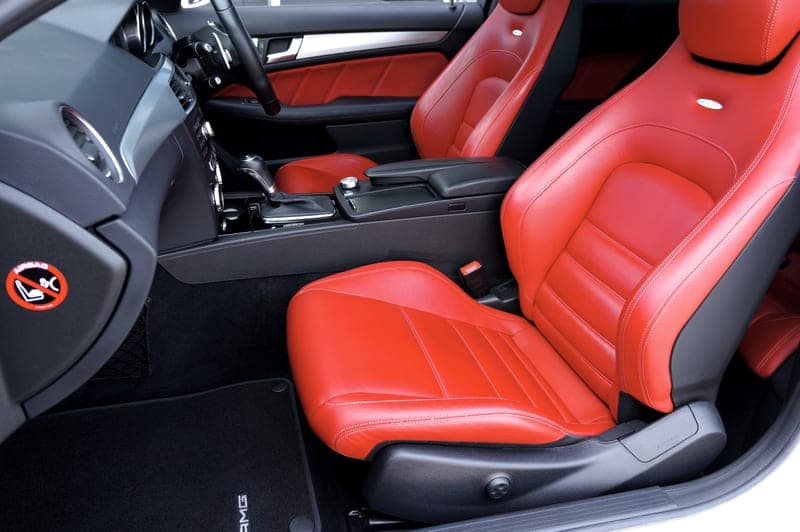
A driver footwell with pedals visible
Head to head

All-weather floor mats vs floor liners

Walls versus channels: the overflow failure that makes a flat mat worse than nothing, and the honest test for which side of the line you are on.

How to do it

The guides

Snowy boots beside an open car door
Guide

Are all-weather floor mats worth it?

The corrosion mechanism explained, the price-versus-repair arithmetic, and the two situations where the honest answer is that you do not need them.

A car mat being washed with water
Guide

How to clean all-weather floor mats

The proper method for getting salt out of rubber mats, why the white haze keeps coming back, and the two products that damage rubber over a season.

A driver footwell with the pedals visible
Guide

How to stop floor mats sliding

Four retention methods that actually hold, the rule about never stacking mats, and the sixty-second check to do after fitting anything to a footwell.

The rest of the winter

The other five things that go wrong

Winter damage is not six separate problems. It is water, salt and cold arriving at six different parts of the same car and the same garage.