Skip to content
Frost & Fender
Roundup

The best tire chains, and the check to do first

Clearance decides this purchase, and your owner's manual is the only place that publishes it. Read that before you read the prices.

By Scooter M.Published September 1, 2026

Heads up: the buy links on this page are affiliate links. If you buy through one, we earn a commission at no extra cost to you. It does not change what we recommend or the order we rank things in - here is how we keep those separate.

The shortlist

Ranked, with the prices

Ranked on published manufacturer specifications and, where the numbers exist, the arithmetic on what each option costs and what it saves. Tap any row for the full write-up, including who should skip it.

#ProductBest forScorePrice
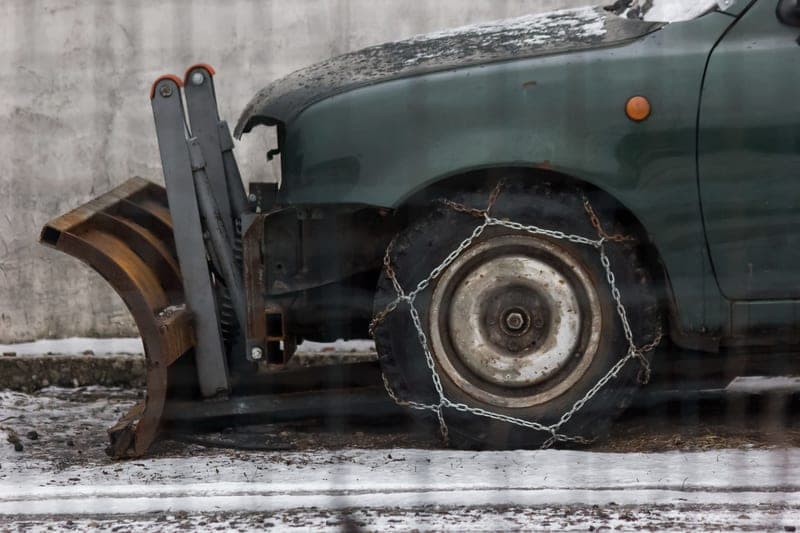
01A tire chain fitted over a wheel in snow - a stand-in for the Security Chain Company Super Z6 Cable Chains, not a photograph of this modelSecurity Chain Company Super Z6 Cable ChainsModern cars and crossovers with limited wheel-well clearanceBest low-clearance chain8.8Check price on Amazon
02A tire chain fitted over a wheel in snow - a stand-in for the Peerless Auto-Trac Tire Chains, not a photograph of this modelPeerless Auto-Trac Tire ChainsDeep snow on vehicles with the clearance for a link chainBest in deep snow8.4Check price on Amazon
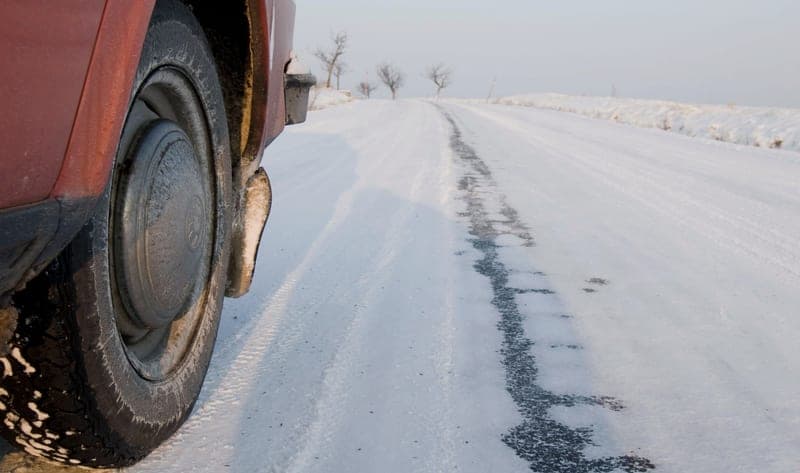
03A tire in deep snow, where a textile snow sock is used - a stand-in for the AutoSock Textile Snow Sock, not a photograph of this modelAutoSock Textile Snow SockLow-clearance vehicles and occasional, short snow sectionsBest where chains do not fit8.2Check price on Amazon

Scores are ours and editorial. They are never published as review or rating markup, because we have not tested these products - see how we pick.

Before the prices: check your manual.

Vehicle manufacturers publish the clearance available around each tire. Many modern cars do not have room for a conventional link chain, some specify low-clearance or SAE Class S chains only, and some prohibit chains on certain axles or entirely. A chain that fits the tire but not the car will destroy a brake line, a wheel arch or a suspension component within a mile. The manual is a free document you already own, and it is the only authority on this.

Chains are sized by your tire, not by your car

This is the mistake that generates most of the returns in this category. Traction devices are sold to fit a range of tire size codes — the 225/65R17 string molded into your sidewall — not a range of vehicles. Two trim levels of the same model in the same year can take different sizes.

Go and look at your sidewall, or put the code into the size finder, which reads it back to you and shows what each part means.

Three device types, three different jobs

Link chains, cable chains and textile socks compared
Link chainCable chainTextile sock
Grip in deep snowBestGoodAdequate
Grip on iceBestGoodLimited
Clearance neededMostMuch lessEssentially none
Fitting time, cold handsSlowestMiddleFastest - about a minute a wheel
Wear on bare pavementSlowFasterFast
Ride comfort and noiseRoughestMiddleSmoothest and quietest
Typical price per pair$80 to $140$70 to $120$80 to $150

For most drivers on most vehicles, the cable chain is the correct compromise: it fits cars that link chains physically cannot, and it grips well enough for the situations a passenger car actually meets.

The self-tensioning question

Traditional chains need to be fitted, driven a short distance, and then re-tightened, because they settle onto the tire as it rotates. That second step is the one everyone skips, and a loose chain is how chains damage cars — it whips against the wheel arch and the suspension.

Self-tensioning designs take up the slack automatically as the wheel turns. Both of our chain picks publish this. It is not a luxury: it is the feature that removes the step people skip in the cold.

Fit them once, in October, in daylight

This is the most useful advice on the page and it costs nothing.

Fitting chains for the first time in a storm, in the dark, on a road shoulder, with cold hands, reading a folded instruction sheet, is how people give up and drive on badly fitted chains. Do it once in the driveway on a dry afternoon. Find out whether the tensioners are obvious, whether you can reach behind the wheel, whether the chains actually fit your car and not just your tire. Then fold them back into the bag knowing you can do it.

What twenty minutes in October buys

A practice fitting costs twenty minutes of a dry afternoon. The alternative is discovering a fitment problem at the moment you cannot do anything about it, on a road where the alternative to chains is turning back.

It also tells you whether you bought the right thing, while there is still time to return it.

Using them without wrecking anything

  • Drive slowly. Most manufacturers publish a maximum of around 30 mph. Chains are not a license to travel at normal speed, and exceeding the limit is how they break.
  • Fit them to the driven axle. Front on front-wheel-drive, rear on rear-wheel-drive. On all-wheel-drive, follow the manual — it usually specifies which axle, and it is not always the one you would guess.
  • Take them off on bare pavement. Chains on dry road wear rapidly, damage the surface, and ride appallingly.
  • No sudden anything. Gentle acceleration, gentle braking, gentle steering. Chains give you traction, not grip comparable to dry road.
  • Stop and check after the first few hundred yards even with self-tensioning chains.

Skip this

Skip chains entirely if you cannot name when you would use them

If you live somewhere with a handful of snow days a year on plowed roads, and you drive a car with decent all-season tires, chains will live in your trunk unused and unpracticed for years.

Chains earn their place when you have a specific foreseeable requirement: a mountain pass with chain controls, a steep unplowed driveway, a rural road that does not see a plow for two days. If you cannot name the situation, the money is better spent on what you keep in the trunk. The honest version of this question is here.

The write-ups

Every pick, in full

01 / Best low-clearance chainA tire chain fitted over a wheel in snow - a stand-in for the Security Chain Company Super Z6 Cable Chains, not a photograph of this model

Security Chain Company

8.8 / 10

Roughly $70-$120 a pair

Security Chain Company Super Z6 Cable Chains

A low-clearance cable chain, which is the type most modern cars actually need. The clearance requirement is the entire buying decision here and most people never check it: many vehicles do not have room for a conventional link chain in the wheel well.

Check price on Amazon

#ad We hold no verified live price for this product, so we show none. How this site is funded.

Published specifications for the Security Chain Company Super Z6 Cable Chains, with the source of each
SpecificationPublished valueWhere it is published
TypeLow-clearance cable traction chainSecurity Chain Company published product information
FitmentSized to the tire size marked on the sidewallSecurity Chain Company published product information
TensioningSelf-tensioning, published as requiring no re-tightening stopSecurity Chain Company published product information
Clearance requirementPublished per model in the maker's fitment data - always check against your manualSecurity Chain Company published product information

What it does well

  • Fits vehicles that cannot take a conventional link chain
  • Self-tensioning removes the stop-and-retighten step that people skip
  • Diagonal cable pattern gives more consistent grip than a simple ladder

What it does not

  • Cables wear faster than links on bare pavement
  • Less bite than a link chain in deep, rutted snow
  • Still needs fitting in the cold, on the ground, in the dark

Skip this one if

Your owner's manual prohibits chains on your vehicle, or specifies a clearance you do not have. Check the manual before you check the price.

How it scores, by criterion

Fits modern vehicles9.5
Grip in snow8.0
Ease of fitting8.5
Durability6.5
Price6.5
02 / Best in deep snowA tire chain fitted over a wheel in snow - a stand-in for the Peerless Auto-Trac Tire Chains, not a photograph of this model

Peerless

8.4 / 10

Roughly $80-$140 a pair

Peerless Auto-Trac Tire Chains

A self-tightening link chain. Links bite harder than cables in deep snow; the trade is that they need more clearance, so the manual check comes first and the shopping second.

Check price on Amazon

#ad We hold no verified live price for this product, so we show none. How this site is funded.

Published specifications for the Peerless Auto-Trac Tire Chains, with the source of each
SpecificationPublished valueWhere it is published
TypeSelf-tightening link chainPeerless Chain published product information
FitmentSized to the tire size marked on the sidewallPeerless Chain published product information
TensioningPublished as automatic ratcheting tensionersPeerless Chain published product information

What it does well

  • Link construction bites harder than cable in deep snow
  • Self-tightening ratchets keep tension after the first rotation
  • Long-established fitment coverage

What it does not

  • Needs more wheel-well clearance than many modern cars have
  • Rougher ride and more noise than cables
  • Heavier to carry and to fit

Skip this one if

Your vehicle is one of the many that lacks the clearance for link chains.

How it scores, by criterion

Fits modern vehicles6.5
Grip in snow9.5
Ease of fitting8.0
Durability8.5
Price6.0
03 / Best where chains do not fitA tire in deep snow, where a textile snow sock is used - a stand-in for the AutoSock Textile Snow Sock, not a photograph of this model

AutoSock

8.2 / 10

Roughly $80-$150 a pair

AutoSock Textile Snow Sock

A textile cover that pulls over the tire. It fits vehicles with no clearance for chains, takes about a minute a wheel, and is the option that is accepted in some places where chains are not - which is worth checking before you buy either.

Check price on Amazon

#ad We hold no verified live price for this product, so we show none. How this site is funded.

Published specifications for the AutoSock Textile Snow Sock, with the source of each
SpecificationPublished valueWhere it is published
TypeTextile traction coverAutoSock published product information
Clearance requirementPublished as suitable where chains do not fitAutoSock published product information
FitmentSized to the tire size marked on the sidewallAutoSock published product information
ApprovalsCheck current published approval status for your jurisdictionAutoSock published product information

What it does well

  • Fits where a chain physically cannot
  • Genuinely quick to fit with cold hands
  • Quiet and smooth compared with chains

What it does not

  • Wears quickly on bare pavement
  • Less bite than chains in deep, rutted snow
  • Not accepted everywhere chains are required - check local rules

Skip this one if

You need traction repeatedly over long distances. Textile wears fast on bare pavement.

How it scores, by criterion

Fits modern vehicles10.0
Grip in snow7.0
Ease of fitting9.5
Durability5.0
Price6.0

How this was ranked

Every site in this category says it tested twenty of these. We have not tested any, and we say so. What we did instead: built the candidate set from what Amazon actually stocks, compiled the published specifications from each manufacturer’s own pages, did the arithmetic on running cost and on what the thing prevents, and read owner reviews for failure patterns rather than star averages. Every number on this page has a link to where it was published, so you can check the work.

Units we claim to have tested
0
Sponsored placements
0
Free products accepted
0

The full method, including what we refuse to claim
Questions people actually ask

Frequently asked

What size tire chains do I need?

Chains are sized by the tire size code on your sidewall, for example 225/65R17, not by your vehicle. Read the code off the tire itself rather than a parts site, then match it to the manufacturer’s fitment chart. The size finder reads it back to you here.

Can I use tire chains on any car?

No, and this is the check that matters most. Many modern vehicles do not have enough clearance between the tire and the strut or wheel arch for a conventional link chain, some specify low-clearance or SAE Class S chains only, and some prohibit chains entirely. Your owner’s manual publishes this.

Do tire chains go on the front or the back?

On the driven axle: front for front-wheel drive, rear for rear-wheel drive. On all-wheel drive, follow your owner’s manual, which usually specifies an axle and sometimes requires four. Fitting them to the wrong axle gives you traction where you do not need it and none where you do.

How fast can you drive with tire chains?

Manufacturers commonly publish a maximum around 30 mph, and the figure for your specific chains is in their instructions. Exceeding it is how chains break, and a broken chain at speed can damage a wheel arch, a brake line or a fuel line.

Are cable chains as good as link chains?

Not in deep snow or on ice, where links bite harder. They are better in the way that matters for most drivers: they need far less clearance, so they fit vehicles link chains cannot, and they ride more smoothly. The trade is faster wear on bare pavement.

Sources

Read next