The winter car emergency kit checklist
Four things decide whether being stopped in the cold is an inconvenience or a problem. Everything else on this list supports one of them.
Heads up: the buy links on this page are affiliate links. If you buy through one, we earn a commission at no extra cost to you. It does not change what we recommend or the order we rank things in - here is how we keep those separate.
Organized by what it is for
Item lists in this category are usually alphabetical or random, which makes it impossible to tell what is essential. These are grouped by the four things that actually decide the outcome.
1. Getting the car started
| Item | Why | Own it already? |
|---|---|---|
| Lithium jump pack, charged | Starts a dead car with nobody else present. The most likely failure by far. | Buy - about $90 |
| Jumper cables | Backup, and useful for helping someone else. Needs a second vehicle. | Probably - about $20 |
| Battery maintainer at home | Prevents the failure rather than rescuing you from it | Buy - about $30 |
Charge the jump pack before the season and check it mid-winter. Lithium capacity falls in the cold, and a flat pack in a freezing trunk is worse than none because you were relying on it.
2. Staying warm without the engine
| Item | Why | Own it already? |
|---|---|---|
| A real blanket - wool or heavy fleece | The foil sheet in boxed kits is not adequate for a multi-hour wait | Yes - from the linen closet |
| Warm hat | Simple and disproportionately effective | Yes |
| Real winter gloves | The thin cotton pair in boxed kits is useless once wet | Yes |
| Boots | If you commute in shoes, this is the gap | Yes |
| Hand warmers | Cheap, light, and genuinely welcome | Buy - a few dollars |
The National Weather Service’s winter guidance is that if you are stranded, staying with the vehicle is usually right: it is shelter and it is far easier to find than a person on foot. Which means being able to sit in it for hours without the engine running.
3. Being seen and getting help
| Item | Why | Own it already? |
|---|---|---|
| Flashlight, or the light on the jump pack | For working on the car and for signaling | Probably |
| Reflective triangles or LED flares | A car on a shoulder in falling snow at dusk is nearly invisible | Buy - about $20 |
| Phone charging cable that works in your car | The single most important item on this whole list | Yes - check it works |
| Power bank | The 12V socket is dead if the battery is | Probably |
| High-visibility vest | If you get out of the car on a road, wear it | Buy - about $10 |
4. Getting unstuck
| Item | Why | Own it already? |
|---|---|---|
| Folding shovel | The item most likely to actually get used | Buy - about $25 |
| Recovery boards | For one wheel spinning in a rut, which chains do not fix | Buy - see our picks |
| Cat litter or sand | The improvised version of recovery boards | Maybe |
| Snow brush with reach | Clear the whole car, including the roof | Buy - about $30 |
| Ice scraper | Glass only, never paint | Yes |
| Tire inflator | Cold mornings cost pressure before the light comes on | Buy - about $35 and up |
The inflator is the one people leave off a trunk kit and then need most often, because a freezing morning drops the pressure in all four tires at once. We rank them on duty cycle and published working temperature.
Two of those are ranked elsewhere on the site: the recovery boards and the folding shovel, which is the item on this list most likely to be used.
The two habits that beat anything in the trunk
Keep the tank above half
A running engine is heat, and heat is the resource you need if you are stopped for hours. The standard advice is to run it about ten minutes an hour, with the tailpipe kept clear of snow so exhaust cannot enter the cabin.
Half a tank costs nothing extra over a winter — you buy the same fuel, just more often. It converts a potentially serious situation into a boring one.
The second habit: tell someone your route when conditions are bad. It costs one message, and it is the difference between someone knowing where to look and nobody knowing you left.
Skip this
Things that are on every list and should not be
A 108-piece first-aid kit. Eighty of the pieces are adhesive bandages. Carry a real first-aid kit if you want one, and do not let the piece count convince you it is handled.
Flares (the burning kind). LED alternatives are safer, reusable, and do not require storing a pyrotechnic in a hot trunk all summer.
A gallon of water. It freezes solid, and then it is a heavy block of ice. A small bottle in the cabin is more useful than a big one in the trunk.
Energy bars. Most freeze rock hard. Choose something that stays edible cold, and replace it annually.
Twenty minutes in November
That is the whole job. Put the blanket, hat, gloves and boots in the trunk. Charge the jump pack. Check the phone cable works. Buy the shovel if you do not have one — the deciding specification is collapsed length, because a shovel in the garage is not in the car.
The reason this list is mostly things you already own is that the problem is almost never money — it is that the blanket is in the house instead of the car on the morning it matters. The two items genuinely worth buying are here.
What to buy, given all that
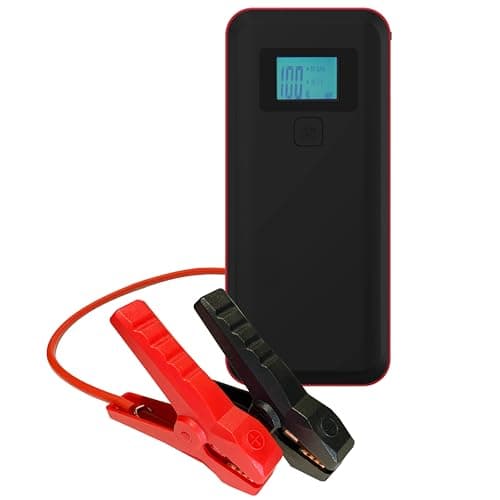
Schumacher
Schumacher SL1639 Lithium Jump Starter and Power Pack
The cheapest jump starter on this page
A lithium jump pack that starts a dead car without a second vehicle, and the one here that publishes the most capability for the least money: 1000 peak amps, 29.6 watt-hours, and engine ratings of 8.0 liters gas and 6.0 diesel. It solves the emergency; it does not solve the cause, which is why it belongs beside a maintainer rather than instead of one.
Skip it if: The battery is simply old. A jump pack is a way to keep restarting a battery you should be replacing.
#ad Price as of October 18, 2026, from Amazon. Prices change. How this site is funded.
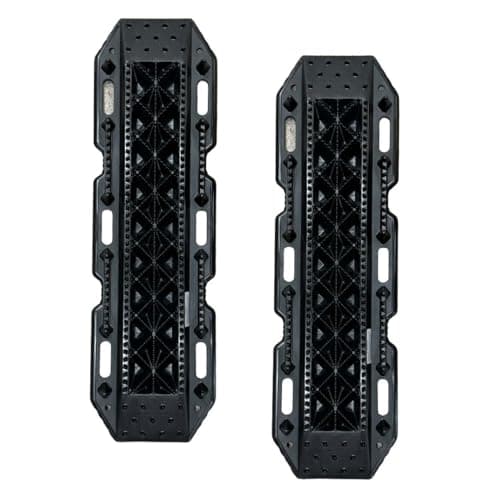
MAXSA Innovations
MAXSA Escaper Buddy Traction Mats
A three-figure pair - the most expensive single item in a winter trunk kit
Rigid recovery boards that go under a spinning wheel. They solve a different problem from chains: chains are for driving on snow, boards are for the moment you are already stuck in a driveway or a parking space.
Skip it if: You need traction while moving. Boards are a recovery tool, not a traction device.
#ad Price as of October 18, 2026, from Amazon. Prices change. How this site is funded.
How this was ranked
Every site in this category says it tested twenty of these. We have not tested any, and we say so. What we did instead: built the candidate set from what Amazon actually stocks, compiled the published specifications from each manufacturer’s own pages, did the arithmetic on running cost and on what the thing prevents, and read owner reviews for failure patterns rather than star averages. Every number on this page has a link to where it was published, so you can check the work.
- Units we claim to have tested
- 0
- Sponsored placements
- 0
- Free products accepted
- 0
Frequently asked
What should I keep in my car in winter?
A charged jump pack, a real blanket with a hat and gloves, a flashlight and reflective triangles, and a folding shovel. Plus a phone charging cable that actually works in your car. Half of that list is already in your house — the job is moving it to the trunk in November.
How long can you survive in a car in winter?
It depends entirely on temperature, wind, what you are wearing and whether you have fuel to run the engine periodically. The National Weather Service’s guidance is to stay with the vehicle because it is shelter and easier to find, run the engine intermittently for heat, and keep the tailpipe clear of snow.
Should you run your car engine if stranded in snow?
Periodically, and only with the tailpipe clear of snow. A blocked exhaust can push carbon monoxide into the cabin. The usual advice is about ten minutes an hour, with a window cracked slightly for ventilation, which is also why keeping the tank above half matters.
Do I need a winter emergency kit if I only drive in town?
A smaller version of one. Town driving means help is closer and the wait is shorter, so the warmth items matter less. The jump pack, the phone cable and the shovel still matter, because a dead battery in a supermarket lot and a car plowed in at the end of a driveway are urban problems.
Sources
- The best traction mats for getting out of snow
- The best portable jump starters, bought by engine size rather than peak amps
- The best snow shovel for a car, by which job you are buying it for
- The best winter car emergency kit is one you build
- Battery charger vs jump starter
- Do you actually need tire chains?
- Traction and emergency