Storage is a different problem from daily use
On a car you drive, a cover goes on and off constantly, gets handled wet, and the grit that lands on the paint gets dragged across it every time. That is why we are cautious about covering a daily driver — a cover used badly does more damage than the weather it was bought to stop.
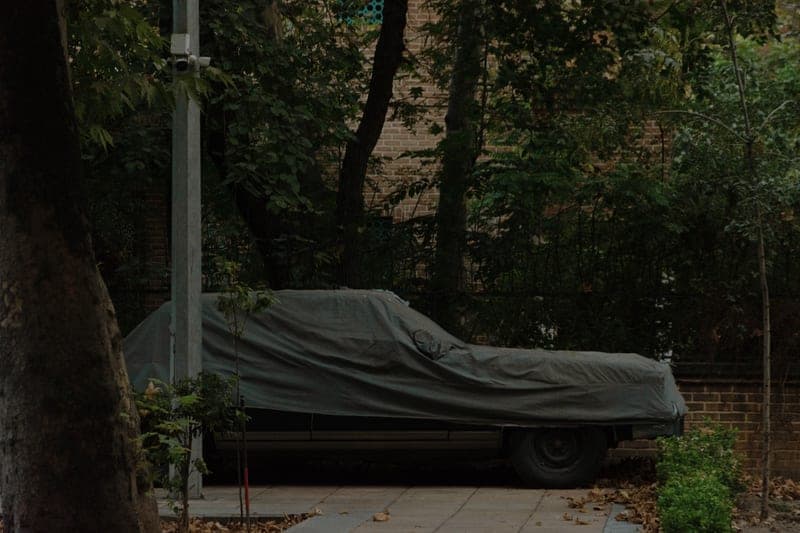
A stored car reverses almost every one of those factors. It goes on once, in autumn, on a clean dry car, and comes off once in spring. The handling problem disappears. What replaces it is a different failure: anything the cover traps, it traps for four months.
That single sentence decides the purchase, and it is why the criteria below are led by breathability rather than by waterproofing.
How we judged these
1. Breathability, first and by a distance. A sealed, fully waterproof cover on a car that will not move for months is a humidity chamber. Moisture gets underneath — from the air, from a damp floor, from the car itself — and then cannot leave. Four months of that against paint and chrome is worse than four months of nothing at all.
2. Indoors or outdoors. These are genuinely different products. Indoors you want a light, breathable, dust-excluding cover. Outdoors you need water resistance as well, and the honest engineering compromise there is a cover that resists rain while still passing vapor — never a tarpaulin.
3. Fit. A cover that flaps has wind under it, and wind under a cover means movement against paint. Storage covers are sized by vehicle length, which is why none of the covers on this site carries a single fixed product link — you have to buy your own length, and we would rather send you somewhere you can choose it than pin the wrong one.
4. Whether the cover is even the important purchase. It usually is not, and we will get to that.
Which cover suits which storage situation| Where the car sits | What the cover must do | What to avoid |
|---|
| Locked garage, dry floor | Keep dust off and breathe freely | Anything waterproof - you are sealing moisture in for no benefit |
|---|
| Garage with a damp or unsealed slab | Breathe, and sit on a car that is not standing in its own evaporation | Covering before the floor problem is dealt with |
|---|
| Carport or driveway | Resist rain and snow while still passing vapor, and fit closely | Tarpaulins, and any cover loose enough to flap |
|---|
| Outdoors under trees | All of the above, plus tolerate sap and debris | Leaving it on wet for months without a single check |
|---|
The cover is not the expensive part of storing a car
A breathable storage cover is a two-figure purchase. The things that actually cost money when a car is stored badly are the battery and the tires, and only one of those is on most people’s list.
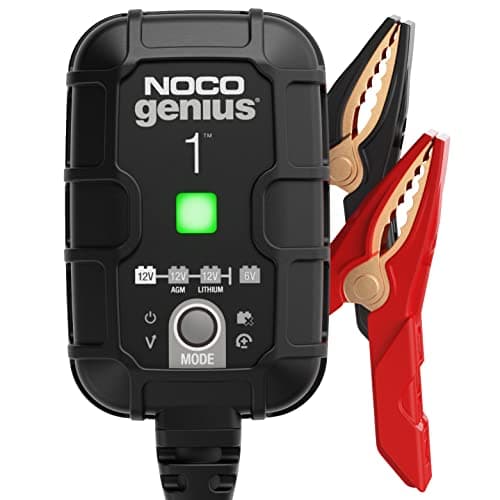
The battery is the near-certainty. It self-discharges while parked, and cold reduces the power available from whatever charge remains — CTEK publishes roughly 35 percent lost at 32 F and about 60 percent at 0 F. A maintainer draws a published maximum of 15 W (NOCO GENIUS1), which even flat out for 120 days is 43.2 kWh, or $7.92 at the U.S. average residential rate of 18.34 cents per kWh (EIA, June 2026).
So: eight dollars of electricity, worst case, against a battery you would otherwise be replacing in spring. That is why a maintainer is ranked third on this page despite not being a cover. On a stored car it is a better purchase than the cover, and pretending otherwise to keep the page tidy would be dishonest.
Skip this
Skip covering a car you have not washed
The most damaging thing you can do to a stored car is put a cover over a dirty one. Every particle of grit trapped between fabric and clear coat spends the winter being pressed into the paint by the cover’s own weight and any air movement underneath it. In spring you take the cover off and find a haze of fine scratches that were not there in October.
Wash it, dry it properly — including the door shuts and the underside of the sills where water hides — and ideally put a sealant on first. Which sealant matters less than the timing: it has to go on while it is still warm enough to cure, which means September or October in most of the country.
Same rule at the other end. Never put the cover away wet, and never leave a soaked cover on a car for months. Drying it is its own small problem in winter.
The four jobs that matter more than the cover
1. Put the battery on a maintainer. Or take it out and bring it indoors if there is no socket. This is the single highest-value thing on the list and it is the one that decides whether the car starts in March. Which maintainer to buy comes down mostly to whether the maker publishes a cold operating range.
2. Inflate the tires properly. A car standing on under-inflated tires for months develops flat spots, and pressure drops on its own as the temperature falls because air contracts as it cools. Set them cold, at or slightly above the placard figure, before it goes away.
3. Deal with what gets in. A stationary car in a cold garage is attractive to rodents, and the damage they do to wiring is expensive and invisible until you start it. A sealed garage door is the first line of that; the gap under the door is how they get in, and the corners a weather seal cannot close are the part people miss.
4. Do not start it once a month. The received wisdom is wrong. A brief idle warms the engine enough to produce condensation in the exhaust and crankcase but not enough to evaporate it off, so you leave the car wetter inside than you found it. Either drive it properly for long enough to reach full temperature, or leave it alone and let the maintainer do its job.
What we would actually buy
Garage-stored: a light breathable cover, and spend the difference on the maintainer. Indoors you are excluding dust, not weather, and a heavier cover buys you nothing but trapped air.
Outdoors: a water-resistant but breathable cover, fitted closely, checked at least once mid-winter. The check matters: the outdoor case is the one where a cover can go wrong quietly.
Either way: buy for your vehicle’s length rather than by name, because that is how these are sold, and a cover that flaps is worse than no cover at all. The snow-specific covers are ranked here if the car is being used rather than stored.